
April 21, 2026
Exodus 14:11-12 - Leaving Egypt
Author
The Battle Between Freedom and Commitment
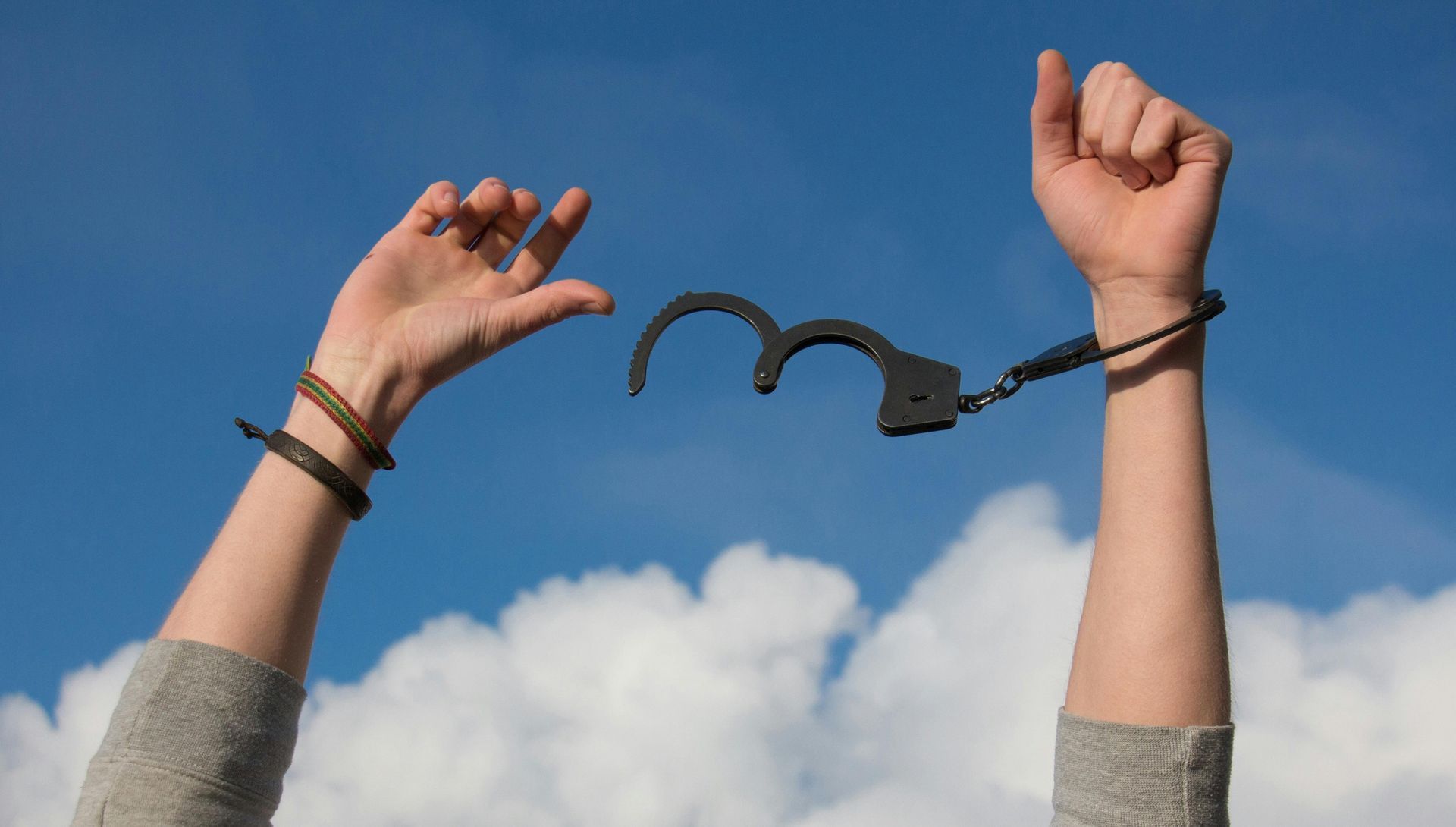
11 They said to Moses, “Is it because there are no graves in Egypt that you have taken us away to die in the wilderness? What have you done to us in bringing us out of Egypt? 12 Is not this what we said to you in Egypt: ‘Leave us alone that we may serve the Egyptians’? For it would have been better for us to serve the Egyptians than to die in the wilderness.” - Exodus 14:10-12 ESV
It was under Joseph that the Israelites arrived in the land of Egypt. This would be their home for the next four hundred years. On that day, seventy men arrived in the nation (see Genesis 46:27). Joseph settled them in the land of Goshen where they tended their flocks and prospered greatly.
After the death of Joseph, a new Pharaoh came into power. He did not know Joseph or the contribution he had made to the nation of Egypt. Seeing the prosperity of the Israelites, this new ruler was seriously concerned that God’s people could turn against him in the event of a battle with a foreign nation, and determined to take control over them by subjecting them to harsh labour. Life for the Israelites became a misery. When Pharaoh saw that they continued to multiply despite their cruel treatment, he commanded his people to throw their male children into the Nile River. When this Pharaoh died, the people of Israel cried out to God for rescue from slavery (see Exodus 2:23). God heard their cry and send Moses and Aaron to speak with him about setting them free.
The heart of this new Pharaoh, however, was hard. He did not want to lose the Israelites. Moses and Aaron returned repeatedly to him demanding he let them go, but each time Pharaoh refused. Each time Moses and Aaron returned, however, they unleashed a new judgment of God upon the land of Egypt. These judgements had a devastating effect on the land and the morale of the people. Over the weeks that followed his first refusal to let the people go, the economy of Egypt was decimated, and there was death in every family in Egypt. In the end, Pharaoh was forced to let the people go.
Six hundred thousand men, plus women and children left the land of Egypt and entered into the wilderness. They had been in Egypt for 430 years (see Exodus 12:40). They were finally free from their bondage and slavery. God led them by means of a pillar of cloud and fire toward the Red Sea. In Exodus 14:1-4 we read:
1 Then the LORD said to Moses, 2 “Tell the people of Israel to turn back and encamp in front of Pi-hahiroth, between Migdol and the sea, in front of Baal-zephon; you shall encamp facing it, by the sea. 3 For Pharaoh will say of the people of Israel, ‘They are wandering in the land; the wilderness has shut them in.’ 4 And I will harden Pharaoh’s heart, and he will pursue them, and I will get glory over Pharaoh and all his host, and the Egyptians shall know that I am the LORD.” And they did so. - Exodus 14:1-4 ESV
Notice a few details in these verses.
First, God told Moses where the people were to camp. They were in this location by God’s design and leading:
1 … encamp in front of Pi-hahiroth, between Migdol and the sea, in front of Baal-zephon; you shall encamp facing it, by the sea. - Exodus 14:1
Second, God knew what Pharaoh’s response would be. What the king chose to do, did not surprise Him:
3 For Pharaoh will say of the people of Israel, ‘They are wandering in the land; the wilderness has shut them in.’ - Exodus 14:3, ESV
Finally, observe that God would use this situation for His glory and the good of His people:
4 And I will harden Pharaoh’s heart, and he will pursue them, and I will get glory over Pharaoh and all his host, and the Egyptians shall know that I am the LORD.” And they did so. - Exodus 14:4, ESV
God was working out every detail to accomplish His purpose and give Israel complete victory over Egypt.
When Pharah learned where God’s people had camped, he figured that they had been hemmed in by the sea and would not be able to escape. He prepared his army, took six hundred chariots and pursued them. Notice the response of God’s people when they saw that mighty army of Egyptian chariots at a distance heading straight for them:
10 When Pharaoh drew near, the people of Israel lifted up their eyes, and behold, the Egyptians were marching after them, and they feared greatly. And the people of Israel cried out to the LORD. 11 They said to Moses, “Is it because there are no graves in Egypt that you have taken us away to die in the wilderness? What have you done to us in bringing us out of Egypt? 12 Is not this what we said to you in Egypt: ‘Leave us alone that we may serve the Egyptians’? For it would have been better for us to serve the Egyptians than to die in the wilderness.” - Exodus 14:10-12 ESV
First, Israel “greatly feared.” This approaching army caused terror in the hearts of the Israelites. While they had seen God break the Egyptians through a series of miraculous signs under Moses and Aaron, somehow they still feared the power of Egypt. While they had been set free from bondage by the power of God, they had never come to understand that the power that had saved them would also keep them. They somehow believed that they had to fight this army in their own strength.
This is a problem with many believers today. They have not come to understand that the God who saved them from sin is also able to provide, keep and deliver them in the ongoing issues they face each day. How often do we worry and concern ourselves over matters that are completely in the hands of God? How often have we attempted to deal with matters too big for us to address, forgetting that God has promised to be our defender. How often, for that matter, have we tried to change our own heart when God has promised to give us a new one. All too often we live as if that battle is ours to fight and not the Lord’s. The Israelites had every cause to fear greatly if that battle was theirs to fight. The reality, however, is that it wasn’t. They still had to learn that lesson.
Note second, that the people “cried out to the Lord.” These words are sandwiched between the words, “they greatly feared,” and “Is it because there are no graves in Egypt.” This leaves us to wonder what they cried out to God and the state of their faith when they did. Not only did they fear but they were convinced that they were going to die in the wilderness. The cry of the people is a last resort of a desperate people and not that cry of faith and confidence in the God of Israel. How often has the name of God come to the lips of the unbeliever when faced with trials and opposition. They cry out to him but there is no real trust or assurance that He has heard their cry.
Finally, after crying out to God, note what they said to Moses.
11 They said to Moses, “Is it because there are no graves in Egypt that you have taken us away to die in the wilderness? What have you done to us in bringing us out of Egypt? 12 Is not this what we said to you in Egypt: ‘Leave us alone that we may serve the Egyptians’? For it would have been better for us to serve the Egyptians than to die in the wilderness.” - Exodus 14:10-12 ESV
In saying this, they reject Moses as their leader and the work of deliverance that God had accomplished in their lives. They tell Moses to let them return to Egypt to serve the Egyptians once again. If there is one thing clear it is that it was easier to take the people of Israel from Egypt than it was to take Egypt from the people of Israel. Egypt was still in their hearts and minds.
Consider what took place in the months that followed. In Exodus 16, the people arrived in the wilderness of Sin, between Elim and Sinai. The people were hungry and began to grumble against Moses and Aaron. Listen to what they told them that day:
3 and the people of Israel said to them, “Would that we had died by the hand of the LORD in the land of Egypt, when we sat by the meat pots and ate bread to the full, for you have brought us out into this wilderness to kill this whole assembly with hunger.” - Exodus 16:3 ESV
Notice again how the people longed to return to Egypt. They reminded Moses of the meat and bread they had in Egypt and told him that it would have been better to die in Egypt than this barren wilderness. The life of freedom was not what they had anticipated. They had expected things to be easier. They didn’t know where the next meal was going to come from. While God provided for their every need, they were not in control. They were being forced to rely on the Lord for everything. This was an uncomfortable position for them and an affront to their human dignity and independent spirit. They began to long for the meat and bread of Egypt.
When we come to the Lord, the battle only just begins. His Spirit will reveal things in our heart that need to be addressed. The sinful longings of our heart must be crucified and brought into line with Christ and His purpose. You can’t have your freedom and the fruit of Egypt at the same time. To choose God and His freedom is to die to Egypt and its delights. Israel had been physically removed from the nation of Egypt, but Egypt had yet to be removed from their hearts. Its fruit still appealed to them. Listen to the words of Jesus in this regard:
24 “No one can serve two masters, for either he will hate the one and love the other, or he will be devoted to the one and despise the other. You cannot serve God and money. - Matthew 6:24 ESV
Freedom comes at a cost. Israel’s heart was divided. They had been set free but still longed for bondage. They had not fully counted the cost of their freedom. As Jesus said:
28 For which of you, desiring to build a tower, does not first sit down and count the cost, whether he has enough to complete it? 29 Otherwise, when he has laid a foundation and is not able to finish, all who see it begin to mock him, 30 saying, ‘This man began to build and was not able to finish.’ 31 Or what king, going out to encounter another king in war, will not sit down first and deliberate whether he is able with ten thousand to meet him who comes against him with twenty thousand? - Luke 14:28-31 ESV
In Luke 9, Jesus challenges all who would follow Him to take up their cross:
23 And he said to all, “If anyone would come after me, let him deny himself and take up his cross daily and follow me. 24 For whoever would save his life will lose it, but whoever loses his life for my sake will save it. 25 For what does it profit a man if he gains the whole world and loses or forfeits himself? - Luke 9:23-25 ESV
To leave Egypt is to leave behind its fruit as well. This is a commitment we must make. Jesus must have all. He must be Lord in our lives. His purpose and His ways are to become ours. Nothing of Egypt must remain. Our secret longings for the fruit of Egypt will only hinder our walk with Him. Israel’s heart was divided. They wanted freedom and the fruit of bondage at that same time. Egypt was still in their heart.
How much of Egypt remains in my heart? How much do I still long for what is not mine to have now as a child of freedom? Am I ready to die to those passions and commit myself to Him and His purpose, even if it brings me through the wilderness? God called his people through that wilderness to seek Him and His purpose alone. Like us, however, they struggled to die
In Exodus 17, the people moved from the wilderness of Sin to Rephidim where there was no water for them to drink. Notice what took place that day:
3 But the people thirsted there for water, and the people grumbled against Moses and said, “Why did you bring us up out of Egypt, to kill us and our children and our livestock with thirst?” - Exodus 17:3 ESV
There is a point in each of our lives when we must confess and accept that we are not in control. Israel was helpless here in Rephadim. She couldn’t go to the well and draw water whenever she wanted. She was at the mercy of God. Her life or death was in His hands. She was completely dependant on Him for everything. This was such an affront to her human pride and independence. She had to come to a place of complete surrender. God brought her to a point where she had no choice but to recognize her dependence on Him for everything. Israel did not like this idea. She struggled to surrender completely to Him.
The Christian life is a life of total dependence on God. We must all learn to die to ourselves and our own ideas and efforts, and learn to walk in His way and His provision. This is an insult to our independent spirit. Israel struggled to accept God’s provision, God’s way, and God’s purpose for their lives. They struggled to give Him full control and full right. The life of faith was uncomfortable to them.
As we move to Exodus 32, Moses has been on the mountain in the presence of God. During that time God taught him His purpose for the people of Israel. Through a series of laws and commandments God showed Moses His purpose for his relationship with His people. As Moses delayed in the presence of the Lord, the people of God, began to worry that Moses would never return to them. Approaching Aaron they said:
1 When the people saw that Moses delayed to come down from the mountain, the people gathered themselves together to Aaron and said to him, “Up, make us gods who shall go before us. As for this Moses, the man who brought us up out of the land of Egypt, we do not know what has become of him.” - Exodus 32:1 ESV
Israel was afraid of the God of Israel. She feared that He had destroyed Moses in the fire and cloud that had descended upon the mountain that day. He had revealed himself to them as a powerful and holy God. They were afraid of Him and his requirements. Calling on Aaron that day, they pleaded with him to make them a new god to go before them. They wanted a god but they wanted one of their own making. They wanted a god on their own terms. That day Aaron made them a golden calf saying: “These are your gods, O Israel, who brought you up out of the land of Egypt” (Exodus 32:4b). Aaron gave them the god they wanted. One they created out of gold. One they could see in the flesh. One they could control. Ultimately, however, this golden calf was not a god but a servant to minister to their every need.
The reality of the matter is that many people are not looking for a God but a servant. They want His protection and provision. They want His comfort and approval but they want it on their own terms. They want to be in control. This, however, is not the God of the Bible.
These passages teach us something very important about our relationship with the God of the Bible.
First, the God of the Bible is not a changeable God. When I go to a restaurant, I can pick and choose ingredients I want in my sandwich. This, however, is not the kind of God I have. I have to accept Him as He is. I have to accept the whole package. He is a God of comfort but also a God of wrath. He is a God of free will but also a sovereign God. He is a God who gives freedom but calls me to full surrender. He is a trinity but yet one. These are paradoxes I must accept. I cannot change God to suit my needs. He is who He is and I must surrender to Him as He is.
Second, God’s ways are different from my ways. He may bring me into the wilderness to teach me. He may bring me to a place of need to show me how He provides. He may bring me to a place of total helplessness to reveal His strength. He may bring me to the end of myself so I can learn to trust in Him. He calls me to trust His provision and direction as a sovereign God.
Third, the God of the Bible calls me to recognize the cost of following Him. Israel failed to do this. She grumbled and complained in the wilderness. She was unwilling to give Him complete control. She didn’t like not being in control. She didn’t like not knowing where her next meal or drink of water was going to come from. She disliked not knowing where God was going to lead them the next day. Committing everything to the Lord and surrendering their lives to Him was not easy, but that is what God demanded. He was to be their God. He was to be their Lord. They surrendered all control and rights to Him. Not everyone is comfortable with this.
Fourth, the God of the Bible calls us to count the cost. Your freedom from bondage comes at a cost. For us as believers it came at the cost of Jesus’ life. But there is a cost that we must pay as well. That cost is a life of total surrender. He must be Lord. His will must be ours. The path He chooses for us is the path we must willingly tread. We must surrender all rights to Him. We must learn to trust His provision and His ways. Our lives will be from this point forward His, totally His, to do with as He sees fit.
Finally, the God of the Bible calls us to do what we cannot do in our own strength. He places Israel in circumstances that were too big for them. He leads them to waterless wastelands where He quenches their thirst. He moves them into the barren desert where they feast upon manna from heaven. He entraps them before the Red Sea where the powerful Egyptian army can overtake them and drowns every Egyptian soldier, setting His people forever free from their oppression. Left to themselves, Israel would have died in the wilderness. The strength to fight that battle before her was not in herself. Had God did not provide, and fight for her, she would have perished. Yet Israel struggled to give Him control.
Will you count the cost? Will you surrender to the God of Israel and His ways? Will you trust Him and His leading as you venture out into the wilderness? Will you count the cost and submit to Him as Lord of your life? Will you turn your back on Egypt and follow the cloudy pillar, trusting on His provision and strength as you make your way to the land of promise?